Stainless Steel Expanded Metal Overview
Stainless steel expanded metal is produced by simultaneously slitting and stretching a solid stainless steel sheet, creating a continuous mesh without welding or joining individual wires.
Compared with carbon steel expanded metal, stainless steel provides better corrosion resistance, temperature resistance and long-term durability, making it suitable for outdoor, industrial, architectural and demanding processing environments.
We manufacture stainless steel expanded metal mesh in different material grades, opening sizes, strand widths, thicknesses and sheet dimensions. Both standard raised and flattened expanded metal can be supplied according to drawings, samples or project specifications.
304 / 316 / 316L
Custom Openings
Stainless Steel Grades
| Grade | Main Characteristics | Typical Uses |
|---|---|---|
| 304 Stainless Steel | Good corrosion resistance, strength and general-purpose performance | Machine guards, screens, architectural panels, ventilation |
| 304L Stainless Steel | Lower carbon content for improved weldability | Welded assemblies and fabricated panels |
| 316 Stainless Steel | Better resistance to chlorides and corrosive environments | Coastal, marine, chemical and food-processing environments |
| 316L Stainless Steel | Low-carbon version of 316 with good weldability | Fabricated equipment, coastal and processing applications |
| 430 Stainless Steel | Ferritic stainless steel with moderate corrosion resistance | Indoor and less aggressive environments |
Other stainless steel grades can be evaluated according to your application, drawing and required operating environment.
Stainless Steel Expanded Metal Sizes & Specifications
Expanded metal specifications should be selected according to the required strength, open area, airflow, visibility and installation method.
| Specification | Available Options |
|---|---|
| Material | 304, 304L, 316, 316L, 430 and other grades |
| Type | Standard / Raised or Flattened |
| Pattern | Diamond and custom expanded patterns |
| SWD | Custom according to specification |
| LWD | Custom according to specification |
| Strand Width | Custom |
| Material Thickness | Custom |
| Open Area | Adjustable according to mesh design |
| Sheet Dimensions | Standard and custom sheet sizes |
| 4 × 8 ft Sheets | Available for suitable mesh specifications |
| Edge Condition | Cut edge or specified edge treatment |
| Fabrication | Cutting, bending, forming, welding and framing |
For an accurate quotation, send us your required material grade, thickness, SWD, LWD, strand width, sheet size and order quantity.
Standard and Flattened Stainless Steel Expanded Metal
Stainless steel expanded metal can be supplied in either a standard raised profile or a flattened profile depending on the installation and application requirements.
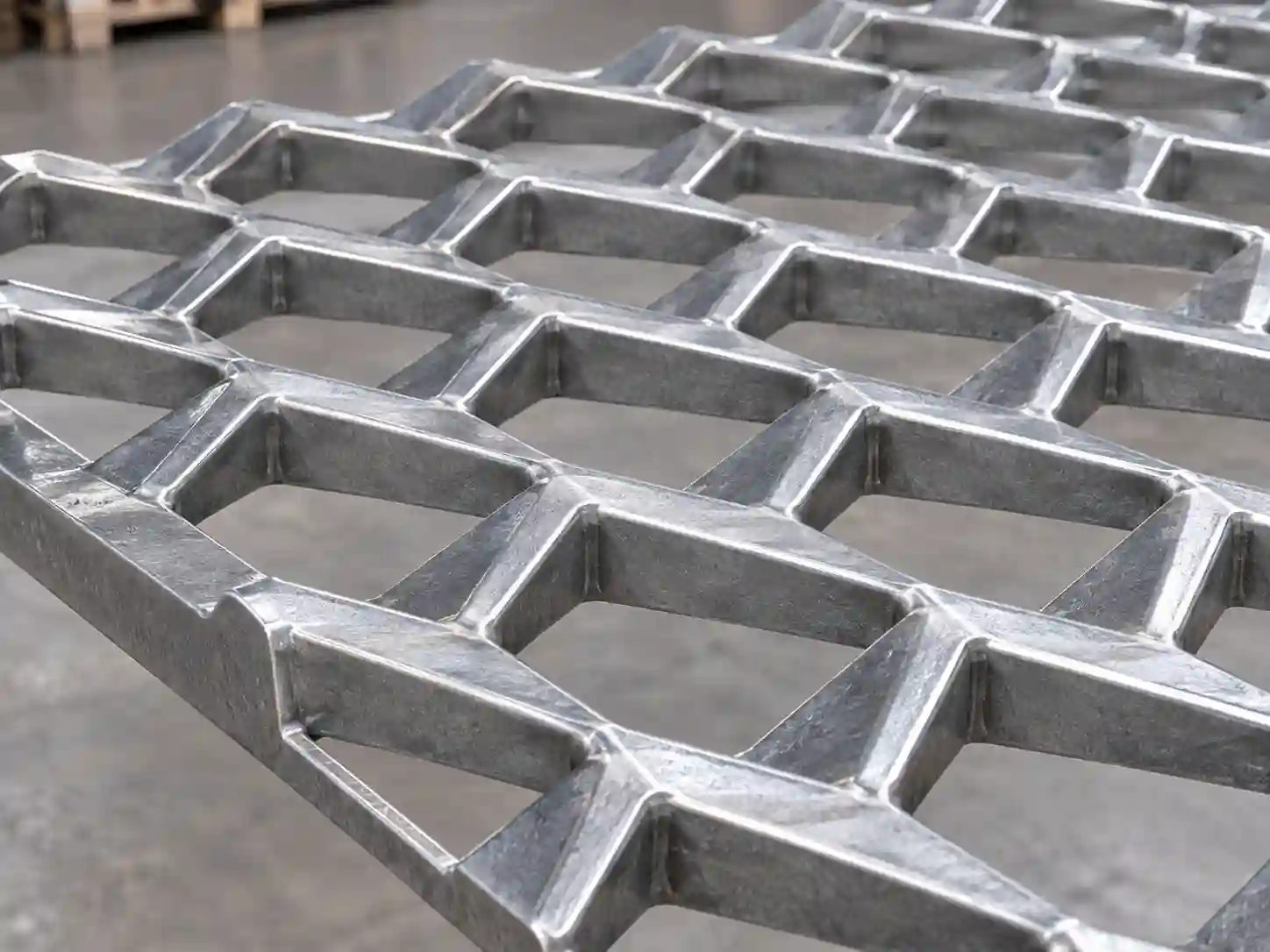
Standard / Raised Stainless Steel Expanded Metal
Standard expanded metal retains the raised three-dimensional profile created during the expanding process.
Standard stainless steel expanded metal is commonly used for:
- Machine and equipment guards
- Industrial screening
- Protective enclosures
- Ventilation panels
- Platforms and walkways
- Architectural screening
For applications where rigidity and structural performance are more important than a completely flat surface, raised expanded metal is usually the preferred option.
Flattened Stainless Steel Expanded Metal
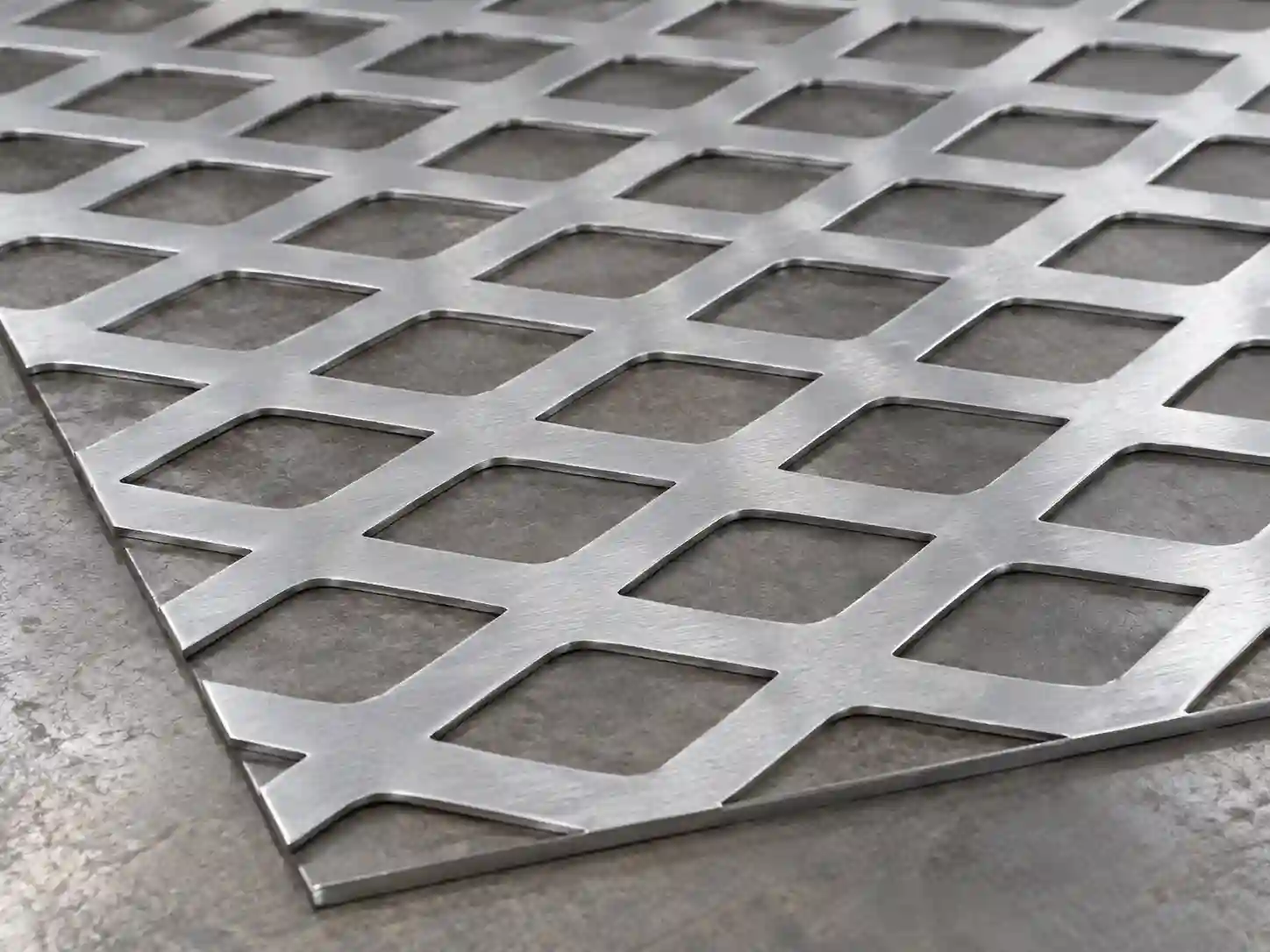
Flattened stainless steel expanded metal is produced by passing raised expanded metal through a flattening process.
This reduces the raised profile and creates a smoother, flatter surface with a more uniform overall thickness.
Stainless steel flattened expanded metal is suitable for applications such as architectural panels, filters, screens, interior components and fabricated assemblies where surface flatness or appearance is important.
Stainless Steel Expanded Metal Applications
The combination of an open mesh structure and stainless steel corrosion resistance allows expanded metal to be used in a wide range of industrial and architectural environments.
Fencing & Perimeter Security
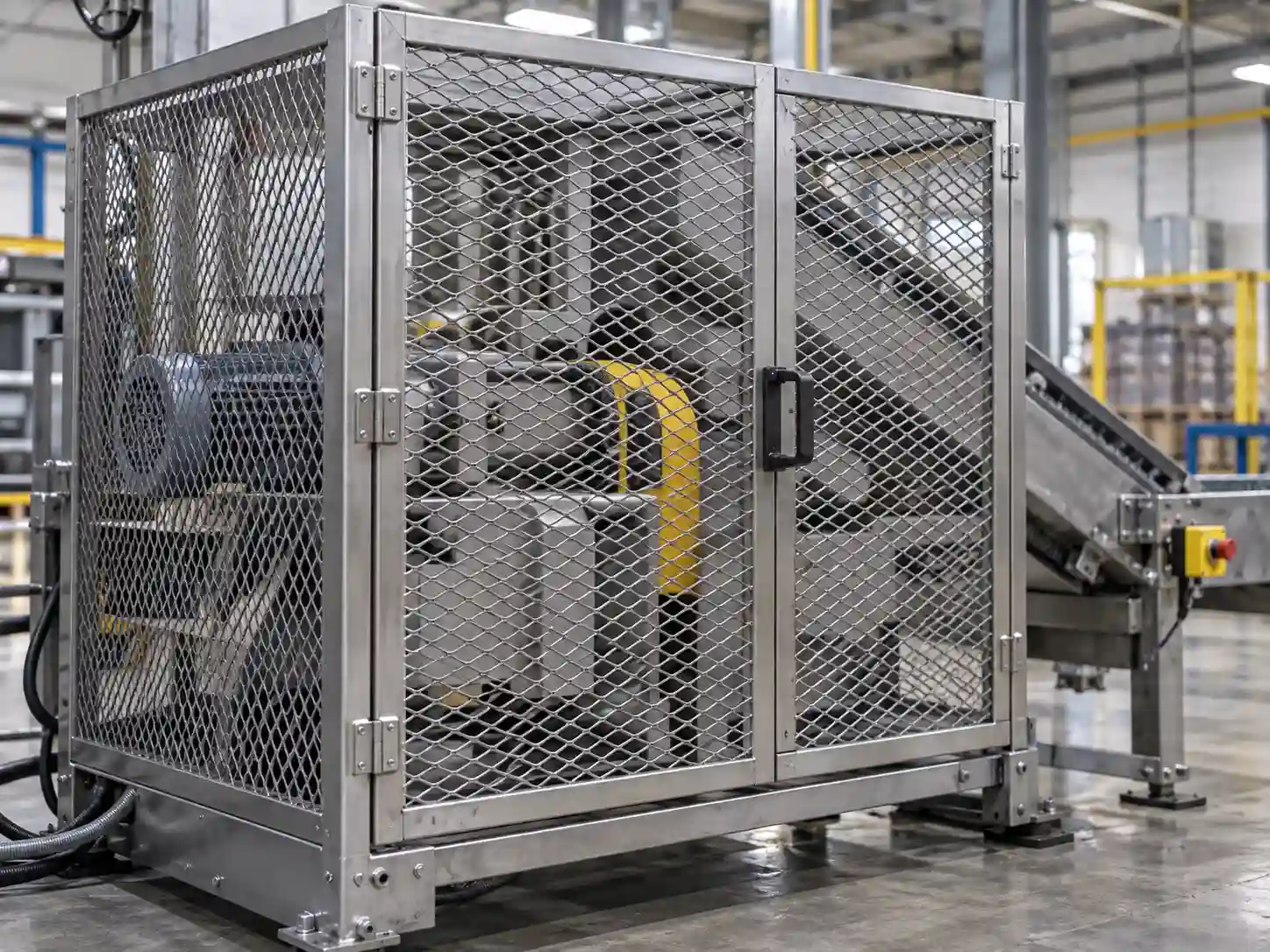
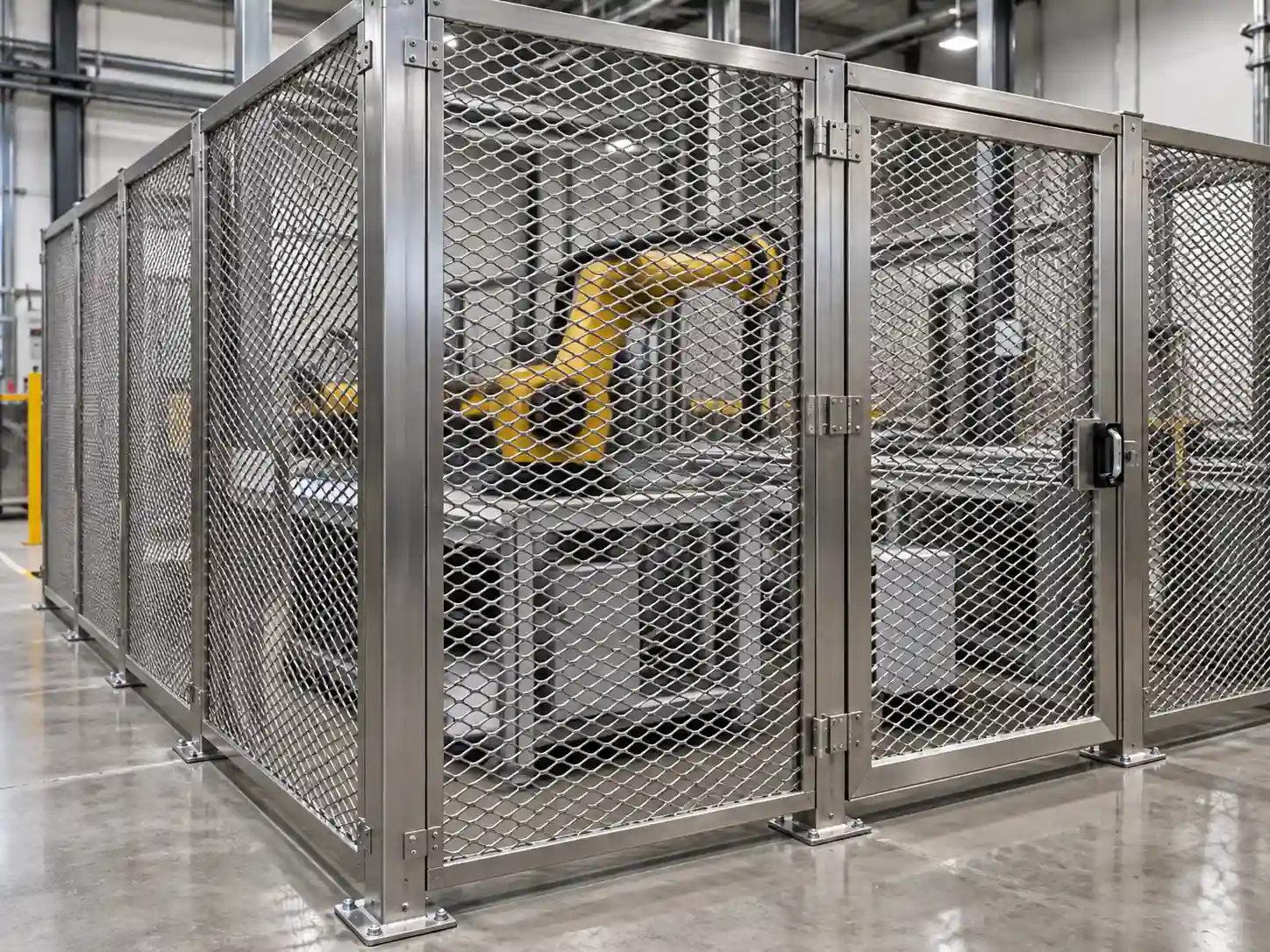
Machine Guards & Safety Barriers
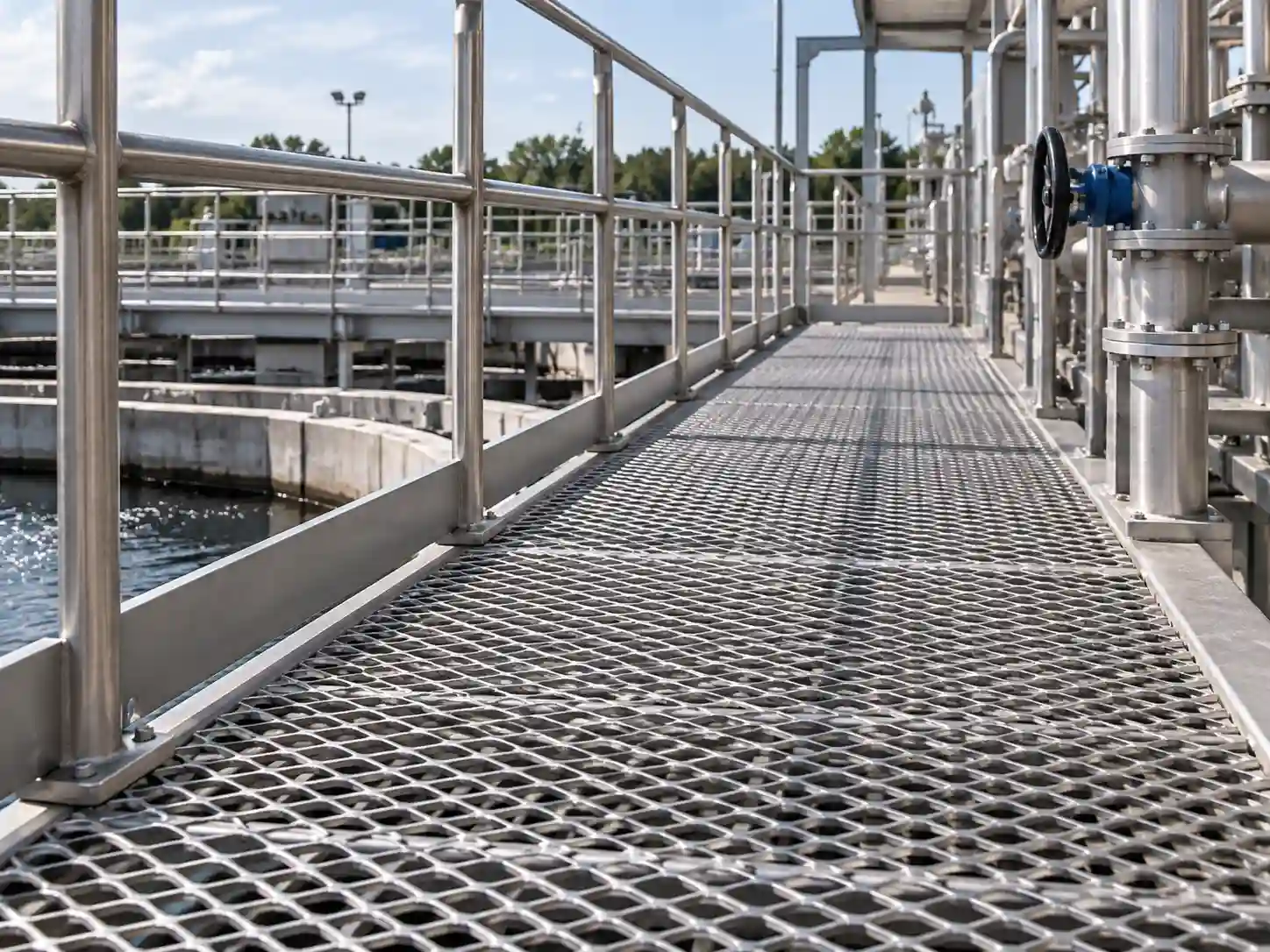
Platforms & Walkways
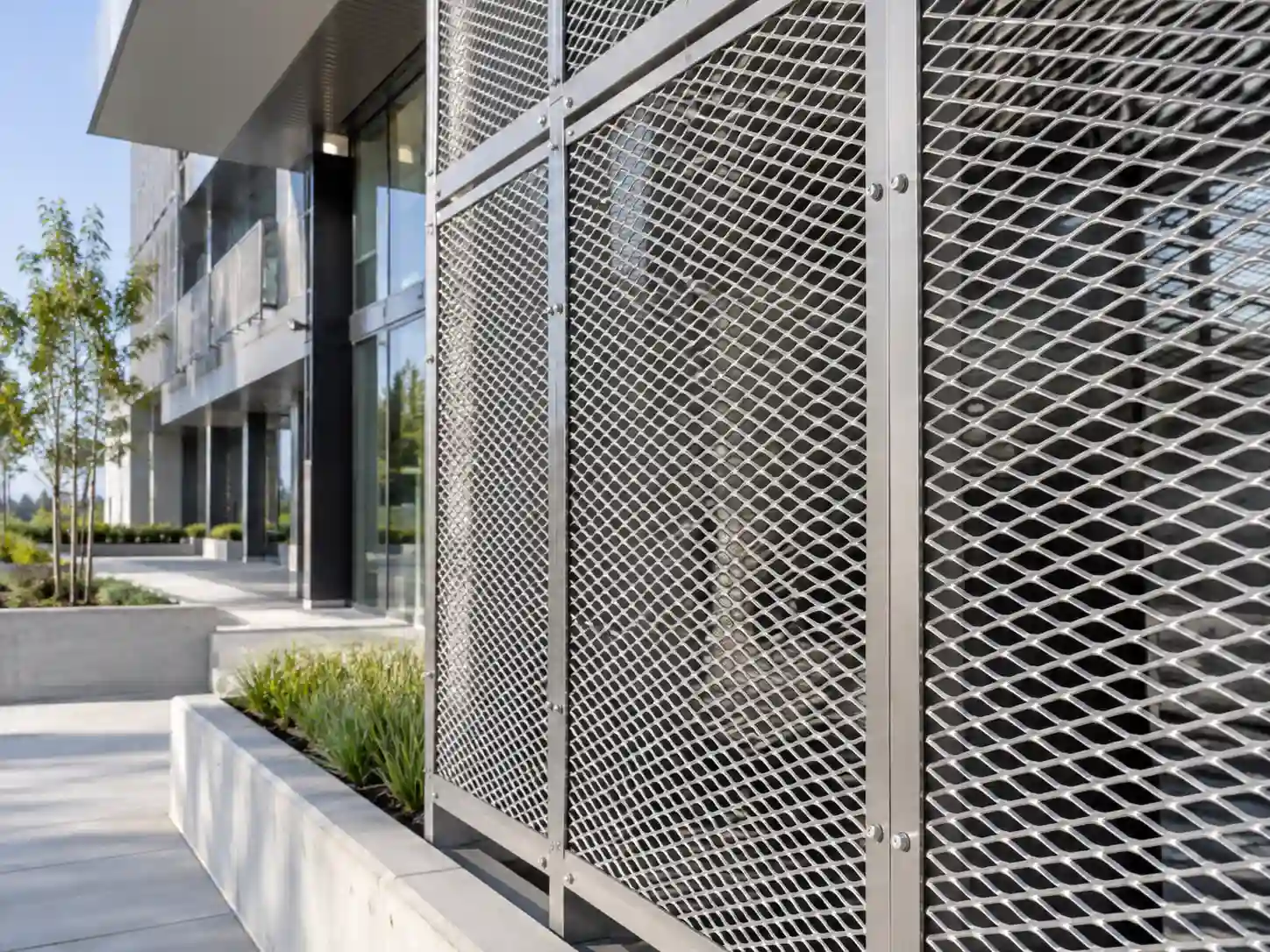
Facades & Cladding
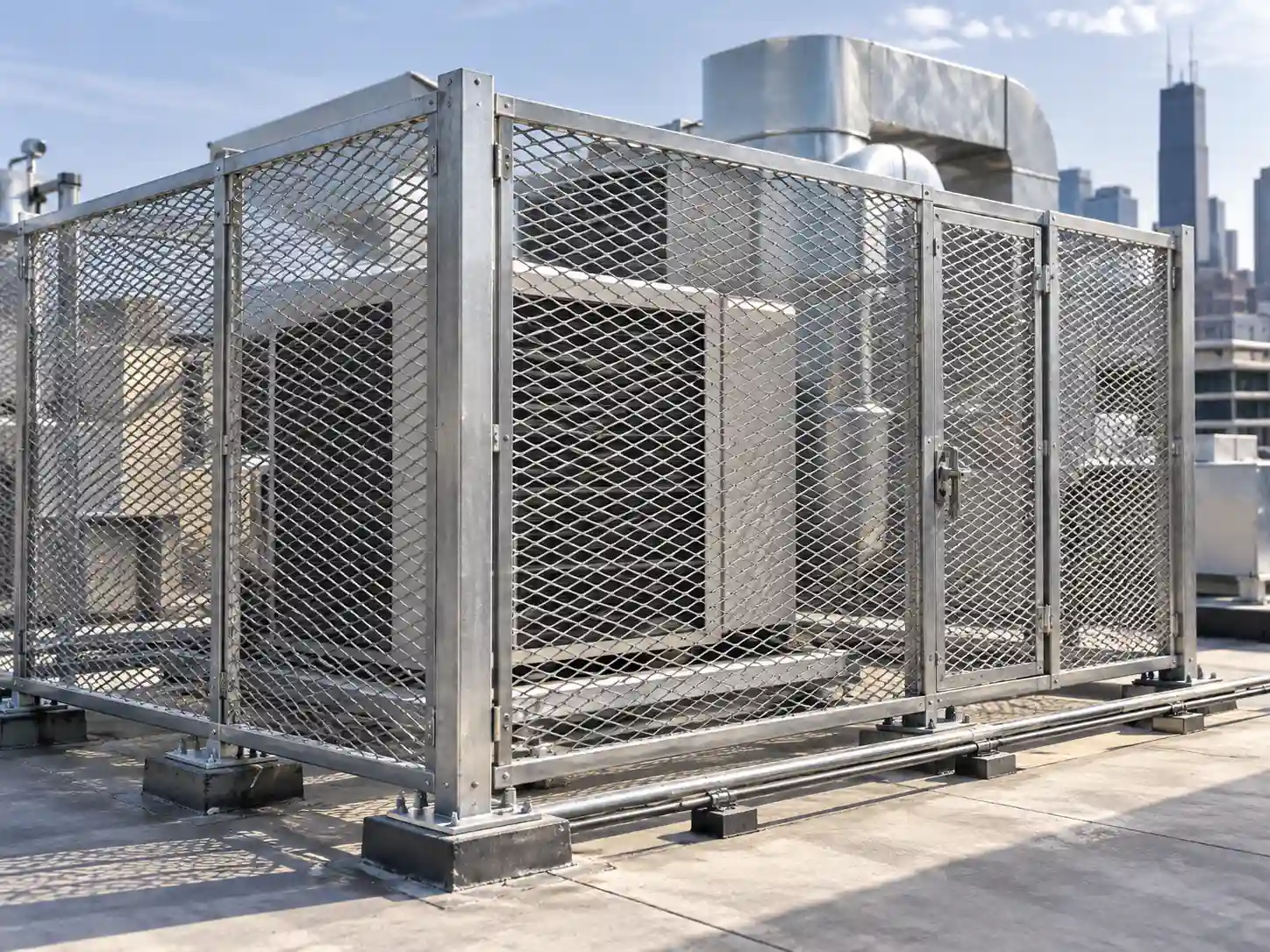
Railings, Infill & Privacy Screens
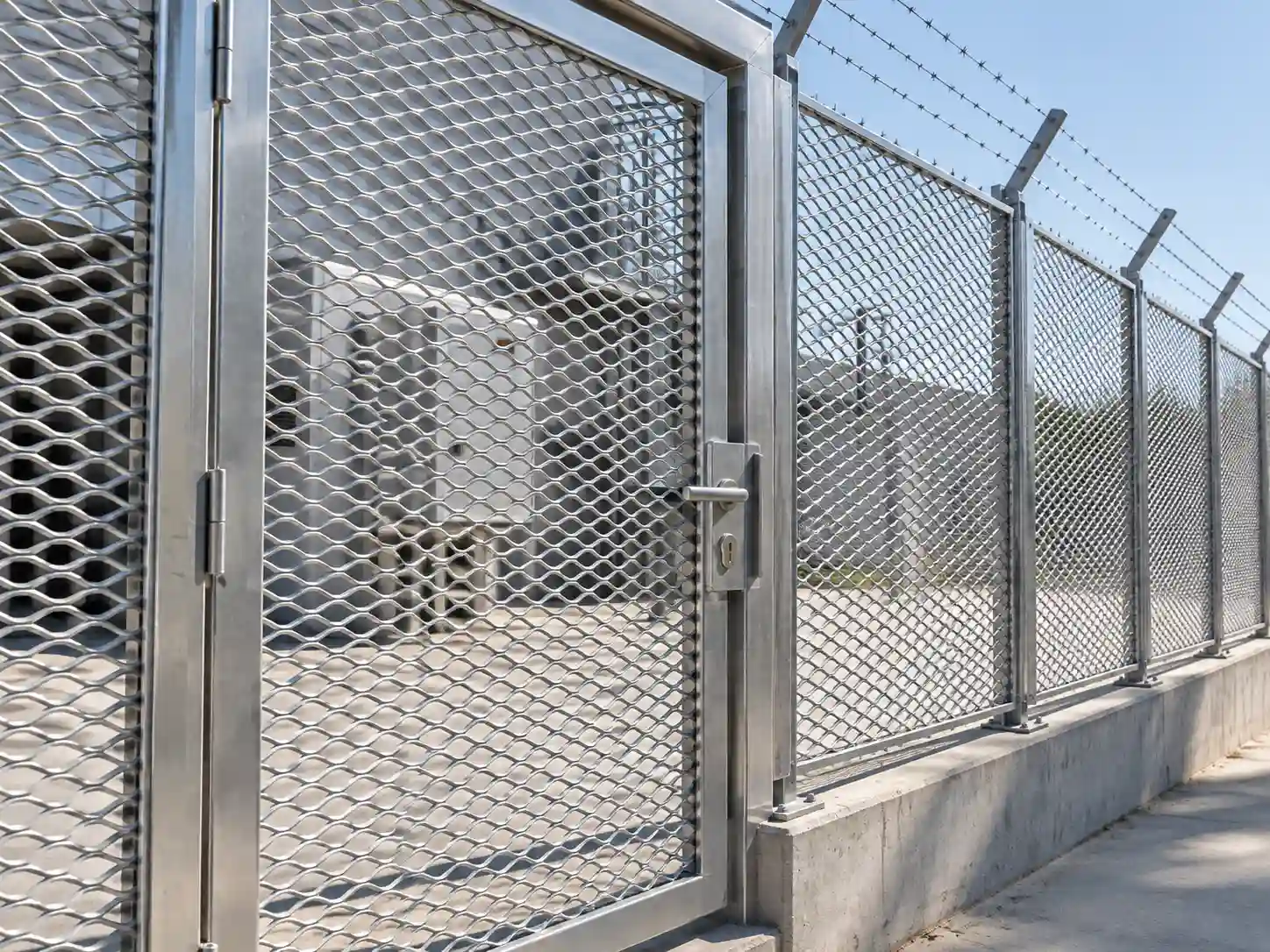
Parking Garage Screening
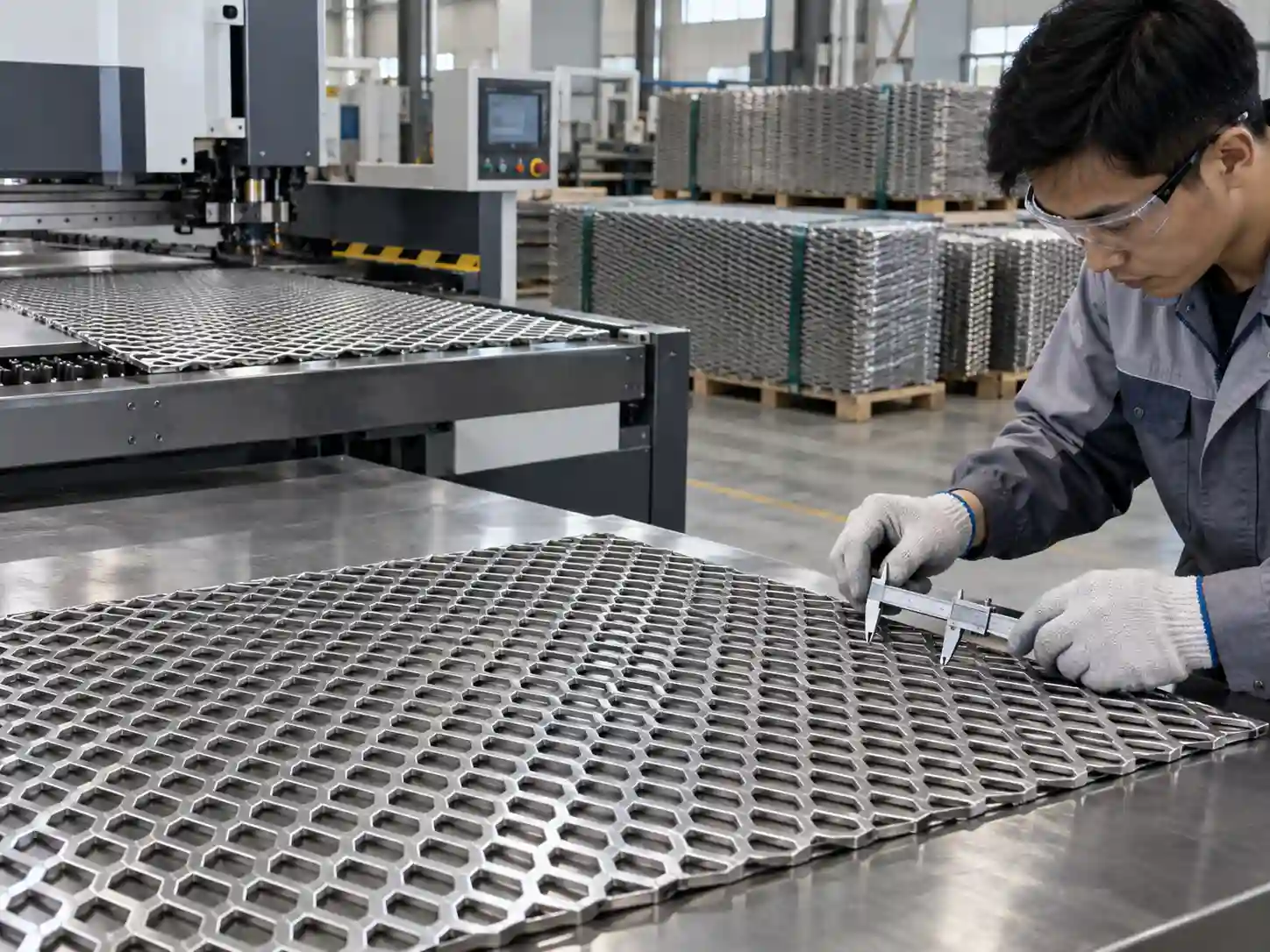
Custom Fabrication & Quality Control
Custom cutting, forming and inspection help ensure each stainless steel expanded metal panel meets your project requirements before shipment.
Precision Cutting
Panels cut to specified dimensions.
Bending & Forming
Custom forming for guards, screens and fabricated parts.
Welding & Framing
Welded frames and assemblies available from drawings.
Quality Inspection
Mesh size, dimensions and surface condition checked before packing.
Why Choose LH as Your Stainless Steel Expanded Metal Supplier?
We can supply grating panels and compatible fastening components as part of the same project package, reducing uncertainty during installation preparation.
Multiple Grades
304, 316, 316L and more.
Custom Sizes
Openings, thickness and sheet sizes made to order.
Fabrication Support
Cutting, forming, welding and framing available.
Reliable Supply
Support for OEM, project and bulk orders.
304 vs. 316 Stainless Steel Expanded Metal
304 and 316 are the two most common stainless steel grades used for expanded metal.
| Comparison | 304 Stainless Steel | 316 Stainless Steel |
|---|---|---|
| General Corrosion Resistance | Good | Excellent |
| Chloride Resistance | Moderate | Higher |
| Indoor Use | Excellent | Excellent |
| General Outdoor Use | Suitable | Suitable |
| Coastal / Marine Use | Limited depending on exposure | Recommended |
| Chemical Environments | Moderate | Better |
| Material Cost | Lower | Higher |
| Typical Applications | Industrial, architectural, equipment protection | Marine, coastal, chemical and processing applications |
Choose 304 stainless steel expanded metal for most general industrial, architectural and outdoor applications.
Choose 316 stainless steel expanded metal when the material will be exposed to salt, chlorides, chemicals or more aggressive conditions.
Case Study : 316 Stainless Steel Expanded Mesh for an Outdoor Equipment Enclosure
An outdoor equipment enclosure requires both ventilation and protection while operating in a humid and corrosive environment.
Using untreated carbon steel can require additional coating and maintenance, while stainless steel provides corrosion resistance directly from the base material.
For this type of project, 316 stainless steel expanded metal can provide:
- Improved corrosion resistance
- Continuous ventilation around the equipment
- Mechanical protection
- Good visibility through the enclosure
- Reduced maintenance requirements
- Long-term outdoor durability
The panels can be manufactured according to the required mesh opening, sheet dimensions and mounting configuration before shipment.
Frequently Asked Questions
304 and 316 are the most commonly used grades.
304 stainless steel offers good general corrosion resistance and is suitable for many industrial and architectural applications.
316 provides better resistance to chlorides, salt and aggressive environments and is often selected for coastal, marine and chemical applications.
304L and 316L are also available for projects involving additional welding or fabrication.
Raised expanded metal retains the three-dimensional profile created during the expansion process.
It generally provides greater rigidity and a textured surface.
Flattened expanded metal is rolled after expansion to create a smoother and flatter profile, making it more suitable for applications where surface flatness, appearance or consistent overall thickness is important.
Yes. 4 × 8 ft stainless steel expanded metal sheets can be supplied for suitable mesh specifications.
Other sheet dimensions can also be manufactured according to project requirements.
Send us your required mesh size, thickness and sheet dimensions so we can confirm production feasibility.
304 stainless steel is suitable for many general outdoor applications.
For coastal environments, salt exposure, chloride contamination or more aggressive corrosive conditions, 316 stainless steel is generally the better option.
The final choice should consider the actual exposure environment and expected service life.
Yes.
Expanded metal can be cut to specified sheet or panel dimensions and can also undergo additional fabrication such as bending, forming, welding and framing.
For custom components, drawings or CAD files are recommended.
Yes.
Raised stainless steel expanded metal can be flattened to create a smoother profile and more consistent thickness.
The final dimensions and mesh geometry should be specified before production because flattening changes the geometry of the expanded pattern.
Yes.
Stainless steel expanded metal can be welded to frames or other stainless steel components.
For projects involving significant welding, low-carbon grades such as 304L or 316L may be considered depending on the operating requirements.
Please provide the stainless steel grade, material thickness, SWD, LWD, strand width, sheet dimensions, quantity and any additional fabrication requirements.
Drawings, CAD files or reference samples can help us review custom specifications more accurately.
Related Products
Standard Expanded Metal
Raised mesh for general industrial and protective applications.
Flattened Expanded Metal
Smooth, flat mesh for fabrication and architectural use.
Heavy-Duty Expanded Metal
Stronger mesh for demanding industrial applications.
Stainless Steel Perforated Metal
Perforated stainless sheets with custom hole patterns.
Stainless Steel Wire Mesh
Woven and welded mesh for screening and filtration.
Stainless Steel Bar Grating
Corrosion-resistant grating for flooring and access applications.